Filming at NASA Goddard: Interviewing a Nobel Laureate for Quanta Magazine
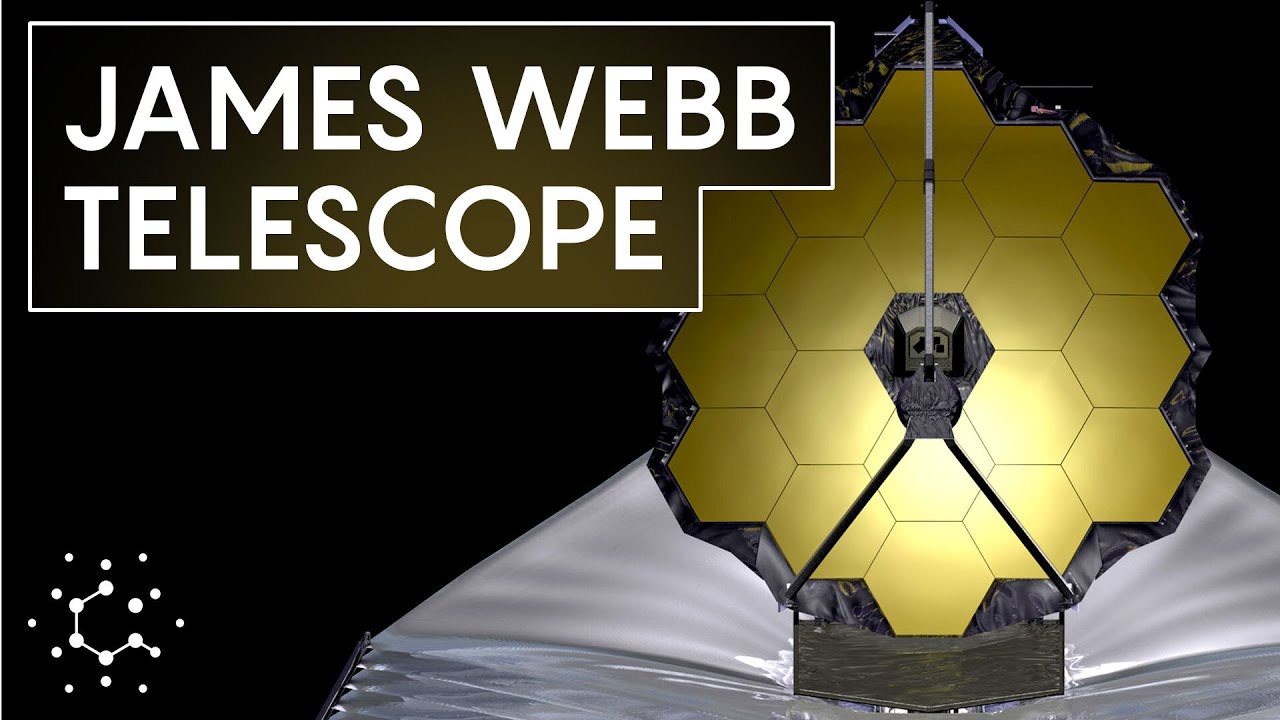
In late October 2021 I got a voicemail and an email on the same morning: Quanta Magazine was making a film about the James Webb Space Telescope ahead of its launch, and they needed a DP for two interviews and b-roll at NASA Goddard Space Flight Center in Greenbelt, Maryland — ten days later.
The two interviews were with John Mather, the Nobel Prize–winning astrophysicist who served as JWST’s senior project scientist, and Mike Menzel, the telescope’s mission systems engineer. The finished film, How NASA’s Webb Telescope Will Transform Our Place in the Universe, is on the portfolio.
Here is how a shoot like that comes together, and what I took away from it.
Ten days from call to camera
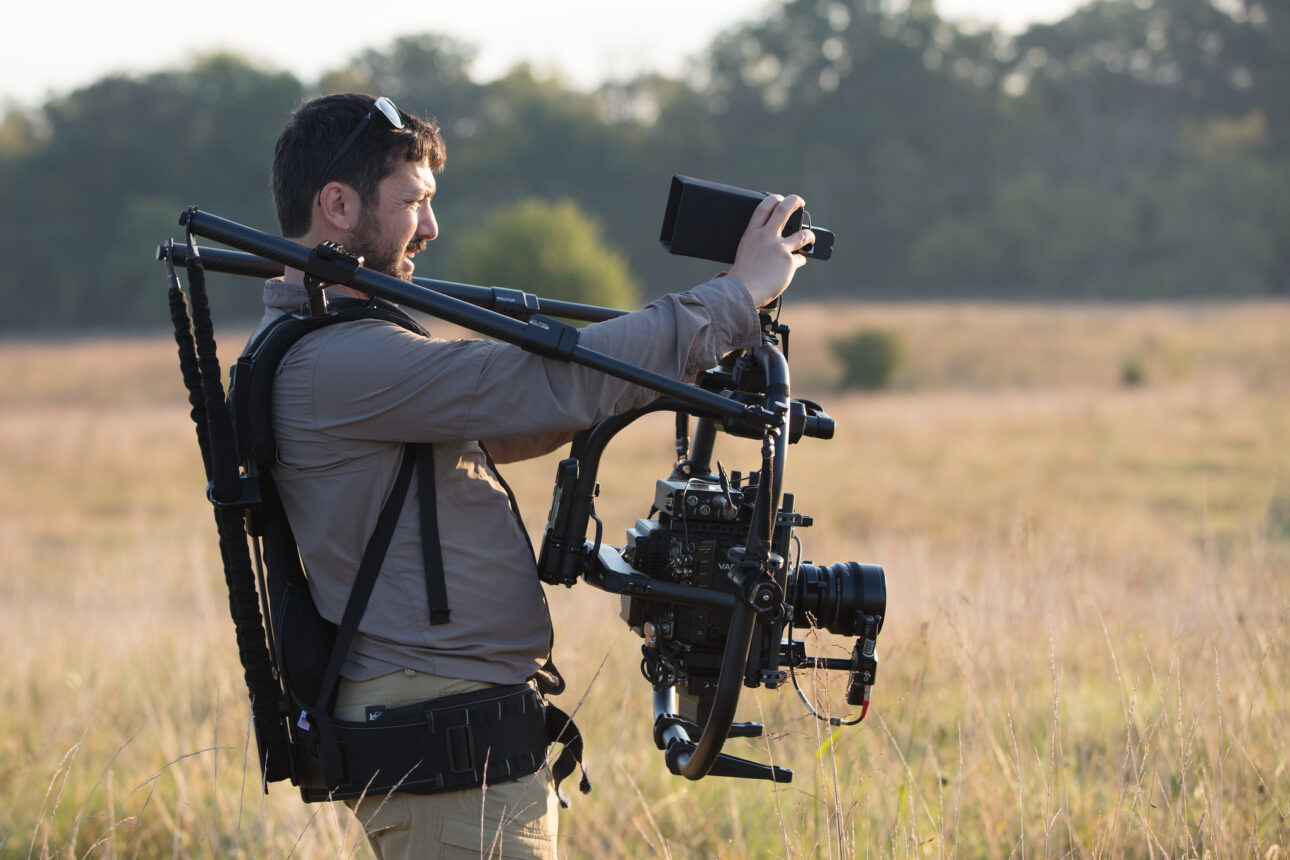
The first conversations were practical. Two interviews of about an hour each, b-roll with and without the interviewees around the campus, and a shoot day of no more than five hours. The producer asked whether I had sound and lights; I did, and I brought two Panasonic Varicam LT kits, lav and boom microphones, stands and grip.
Running both lav and boom straight into the cameras’ XLR inputs meant the audio was already in sync with picture when it reached the editor — one less step on a tight turnaround, as long as I monitored levels during the interviews myself.
A few days before the shoot we held a call with the producers to talk through the shot list and the visual approach. On a short day, that conversation is worth more than any amount of gear: by the time I arrived I knew which moments mattered most to the story.
An empty visitor center
It was the middle of the pandemic, so the Goddard Visitor Center was closed to the public — which made it an unusually quiet, empty and controllable space to film in. The NASA team let us in early enough to scout two interview locations and set up both, and the schedule gave us an hour between interviews to reset.
That hour is the detail I would point any producer to. Two interviews in two different looks, back to back, only works if the second setup is already roughed in while the first interview is running, and the reset is about refinements — not moving every light.
B-roll in November weather
The forecast was cold, cloudy and possibly wet. Call time was 7:00 a.m. in the parking lot off Greenbelt Road, and we had to wrap by 2:00–2:30 p.m. Between the interviews we filmed the exhibits and the rockets outside the visitor center — the kind of b-roll that only works if you build it into the schedule rather than hoping for time at the end.
On a campus like Goddard, b-roll is also about access: you film what the NASA team can show you that day, so a flexible shot list beats a rigid one.
What I take from a shoot like this
- Ask the logistics questions early. Hours on site, who is being interviewed, what audio the edit needs, whether lights are expected. Most problems on the day trace back to a question nobody asked during prep.
- Plan the reset, not just the setup. When two interviews share a morning, the time between them is part of the lighting plan.
- Record audio where the editor wants it. Feeding mics straight into camera saves a sync step — but only if someone is watching the levels.
- Bring a backup. The producer brought her own audio kit as a spare. On a once-only interview with a Nobel laureate, redundancy is cheap insurance.
If you are planning an interview at a federal lab, a museum or a campus in the DC area, I am happy to talk it through — here is how I work in DC, and the full equipment list.
Umit Gulsen is a Washington, DC Director of Photography with 20+ years behind the lens. About · Work · Book a shoot