Lighting a Last-Minute Interview with a Cabinet Secretary
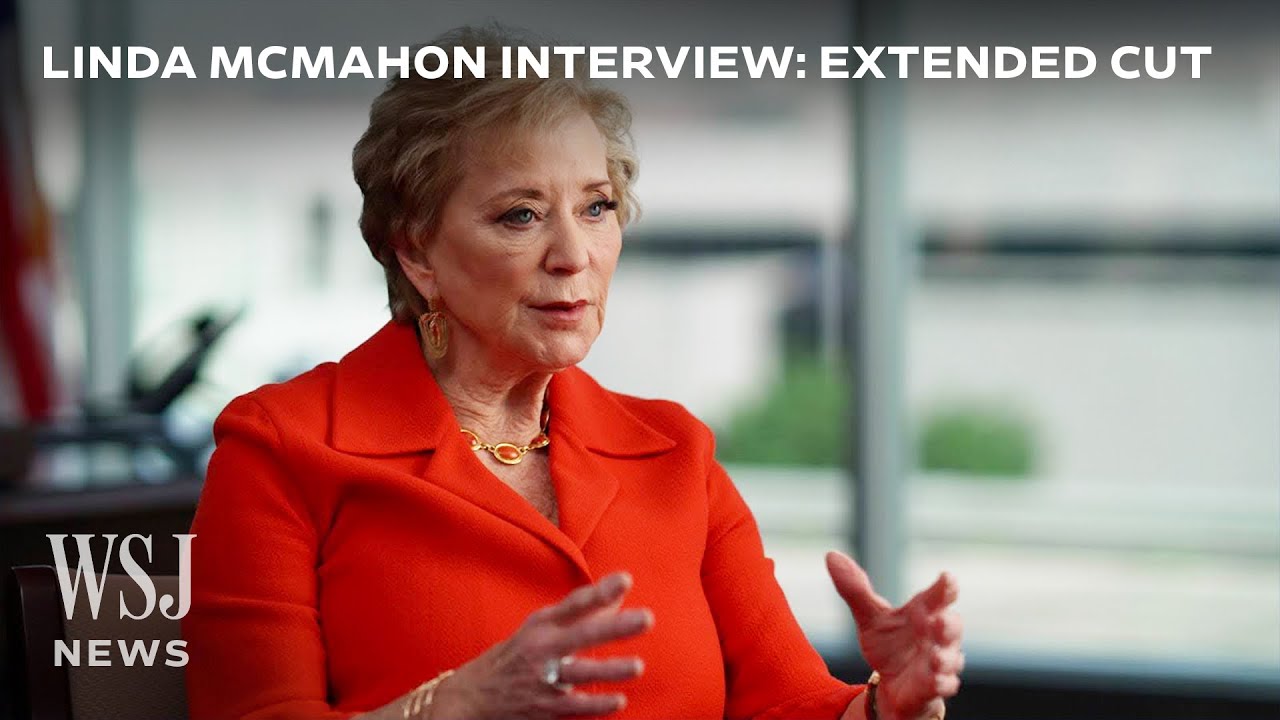
On a Sunday in June 2025, a coordinating producer at The Wall Street Journal emailed a call sheet for the next morning: an interview with Education Secretary Linda McMahon at the Department of Education building on Maryland Avenue SW. Call time 8:30 a.m. The booking had come together at the last minute, and the producer was candid — setup time was still being negotiated and it would "likely be a bit of a scramble."
The finished piece, Trump’s Education Sec. on Harvard, Closing the DOE and More, is on the portfolio. This is what happens before the red light goes on.
The night before
Most of the work on a short-notice interview happens the evening before. We had a call to go through the run of show and the questions only the producer could answer: which room, how much time to set up, what else needed covering besides the sit-down.
There was also b-roll of a staff meeting. My sound mixer asked the right question straight away — would sound be recorded in the meeting, on a boom or on camera? The answer was: bring a boom as an option, because the press office might say no. On government shoots that is normal. You prepare for the version you want and the version you are allowed.
Window light, on purpose
That evening the producer sent frames from another network’s interview with the Secretary a few days earlier. They had used a back corner of the office with the curtains on the north-facing windows closed.
We had already talked about doing the opposite: using those windows to motivate the key light. North-facing windows give soft, even daylight that doesn’t swing much through the morning. Built on with a large soft source on the same side, it gives a portrait that feels like the room rather than a studio dropped into it — and it makes the piece look different from everyone else’s interview in the same office.
To extend the window, I used a Nanlite Forza 720 pushed through an 8×8 frame of half grid cloth, on the same side as the windows. At that size, the source wraps around the face the way the daylight does, so the key reads as the window itself rather than as a film light added to the room.
Moving fast without looking rushed
When the setup window is short, speed comes from preparation, not hurry:
- Arrive with a plan for the room you have only seen in photos, and a plan B for a different room.
- Pre-build the camera and lighting packages so they come out of the cases ready to fly.
- Work as a small, practised team. Two people who have done this together many times are faster than four who haven’t.
- Leave the last minutes for the subject. A cabinet secretary walks in on schedule, sits down and starts. The frame, the levels and the eyeline have to be finished before that moment.
Why this matters for producers
Interviews in federal buildings in Washington share the same constraints: security, a fixed slot on a principal’s calendar, a press office in the room and not much setup time. The look is decided long before the subject arrives.
I film interviews like this for The Wall Street Journal regularly — see the broadcast and news work. If you have a sit-down coming up in DC, here is how I work.
Umit Gulsen is a Washington, DC Director of Photography with 20+ years behind the lens. About · Work · Book a shoot