Filming Inside the White House, the Capitol and Federal Buildings: A DP's Checklist
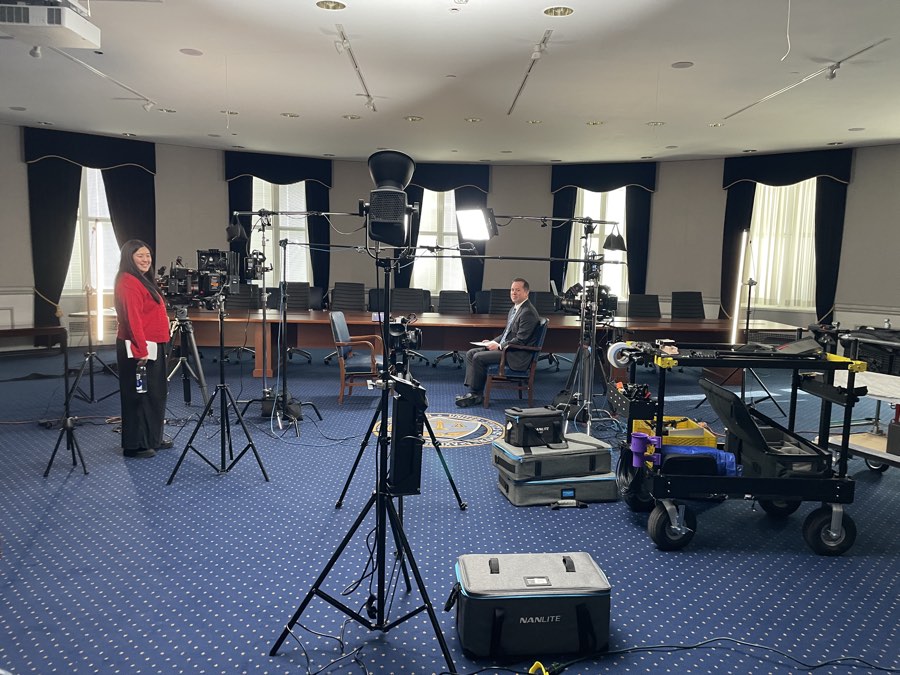
Over the years I’ve filmed at the White House, the U.S. Capitol and the House office buildings, the Federal Reserve, and in many cabinet departments. Every building has its own rules, but the shoots have a lot in common. Here is the checklist I wish every producer had before their first one.
1. Security clearance takes days, not hours
For a TIME interview at the White House in October 2016, every crew member had to submit security information through the White House’s own form by the Monday before a Wednesday shoot — and the producer flagged it as the single most important task of the week.
Plan for it: send full crew names and details to the press office as early as possible. A last-minute crew change can mean someone doesn’t get in.
2. Expect the schedule to move — more than once
That same White House interview moved from a Wednesday afternoon, to the morning, then to 4:00 p.m., in the space of two days. That’s normal when you’re filming people whose calendars are set by events.
Plan for it: book the crew for the whole day and keep the gear plan independent of the time slot.
3. Your gear has to walk
At the White House we unloaded at a guard house near 17th Street and Pennsylvania Avenue, then carried everything about half a block to the security entrance and on to the room. There’s no driving up to the door.
Plan for it:
- Consolidate. Fewer, larger cases on carts beat many small ones.
- Bring whatever you need to move your own gear.
- Expect everything to be screened. Take multitools and knives out of your kit before you leave home.
4. Parking is part of the plan
Near the White House or the Capitol, parking can be the hardest part of the day. Our producer reserved spots in a garage on Pennsylvania Avenue for the crew cars ahead of time — and a separate, larger lot further away for the grip van.
Plan for it: reserve parking online the day before, and decide who drops gear and who parks.
5. Dress for the building
The producer’s dress code for the White House was simple: dress like you’re going to the White House. A button-down shirt, and a tie in the bag just in case. In the Capitol and cabinet departments the same applies — the crew is part of how the production is perceived.
6. Ask what you’re allowed to record
In federal buildings, what you can film and record is decided by the press office on the day. For a WSJ interview at the Department of Education in 2025, we prepared to record a staff meeting on a boom while knowing they might only allow on-camera sound.
Plan for it: bring both options and don’t argue on the day.
7. Build the look before the principal arrives
Officials arrive on schedule, sit down and start. Lights, frame, white balance, audio levels and eyeline must be finished — tested on a stand-in — before they walk in.
8. Keep a small footprint
Federal offices are working offices. A compact, owner-operated package — in my case two Varicam LTs, LED lighting and a cart that rolls straight from the van — means less to screen, less to carry and less disruption to the people working around you.
If you’re planning a shoot in a federal building in Washington, I’m happy to help you prepare. Here’s how I work in DC, the kit I bring, and how to reach me.
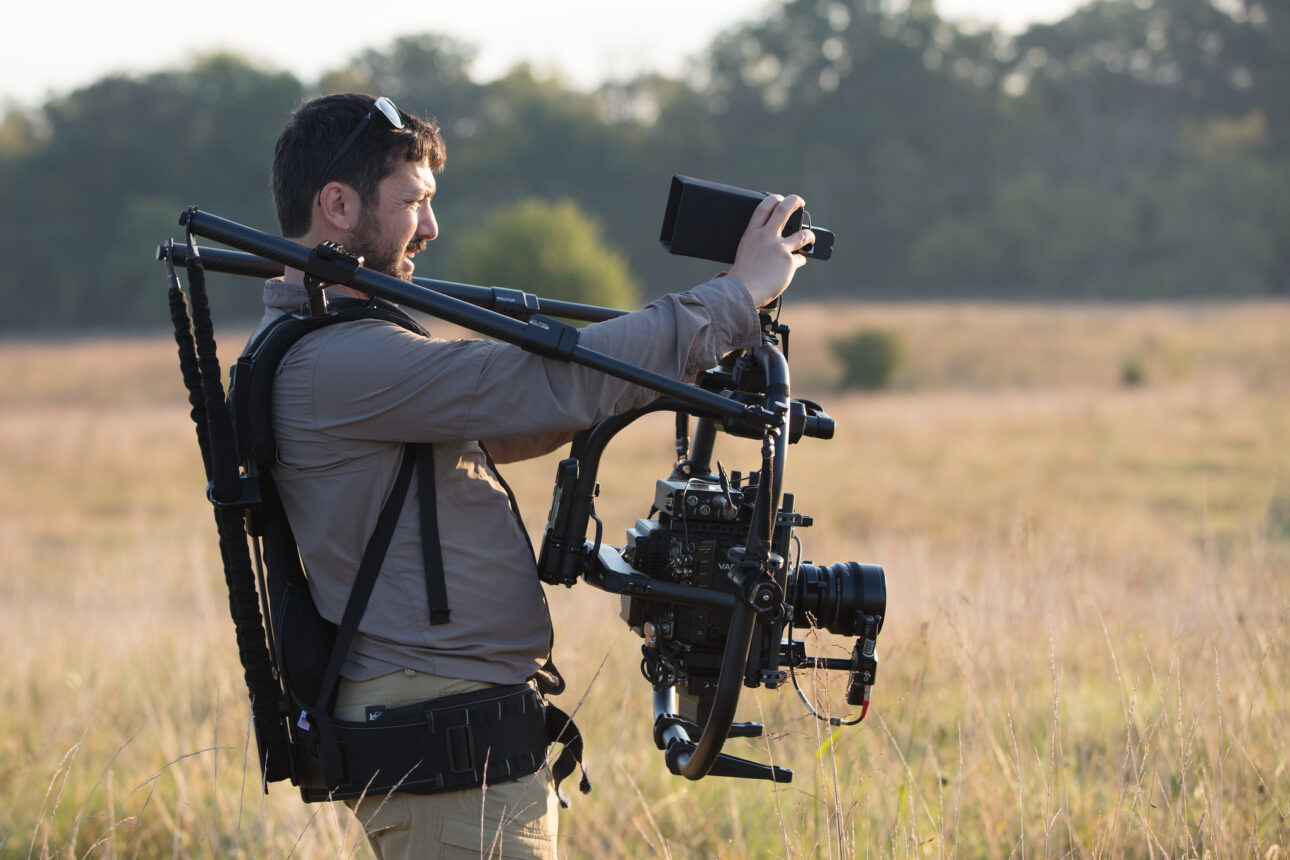
Umit Gulsen is a Washington, DC Director of Photography with 20+ years behind the lens. About · Work · Book a shoot